
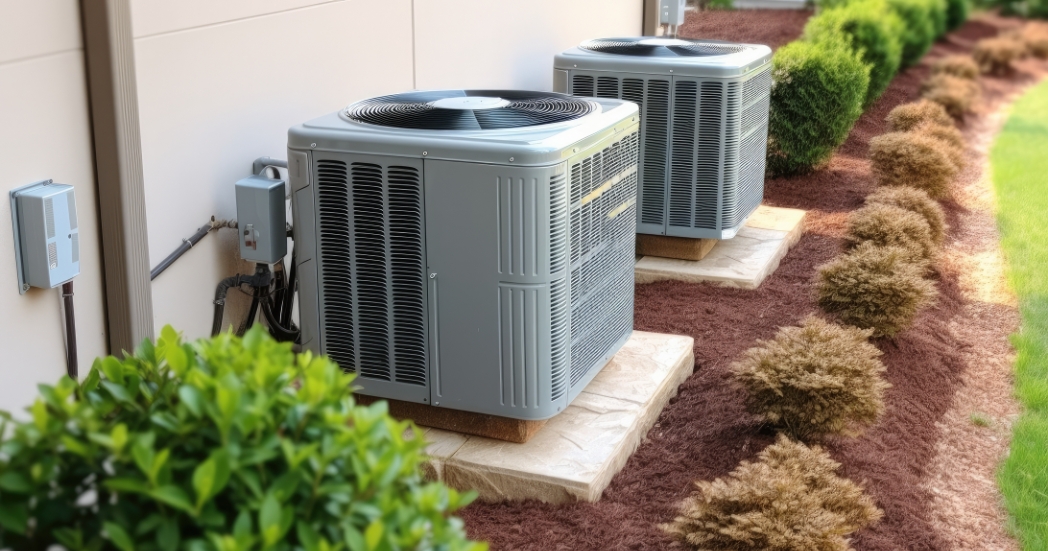
Allergy season around Charleston can feel like it never really ends. Pollen, humidity, and everyday dust all have a way of finding their way inside. Your home’s HVAC system can either give you some relief or quietly make those symptoms worse, depending on how it’s set up and how well it’s maintained.
How Your HVAC System Can Help
Filtration That Actually Catches Allergens
Every time your system runs, air moves through a filter before it’s pushed back into your rooms. With the right filter, your HVAC can help reduce the following:
- Pollen that rides in on clothes, shoes, and pets
- Dust and dust mite debris
- Pet dander that tends to hang in the air and on surfaces
Choosing a quality filter that your system can handle, and changing it regularly, means more of those particles get trapped instead of recirculated.
Better Air Circulation
Good circulation helps keep air from feeling heavy or stale in certain rooms. When your system is moving air properly, and supply vents/returns are clear, it can:
- Pull more allergen‑laden air through the filter
- Distribute cleaner, conditioned air throughout the home
- Reduce areas where dust and odors tend to linger
On high‑pollen days, simply letting the system cycle as it should (instead of constantly turning it off and on) can make the house feel more comfortable.
Humidity Control in a Humid Climate
Charleston’s humidity is a big part of what makes allergy season feel so intense. A properly working HVAC system helps keep indoor humidity in a more comfortable range, which can:
- Make it harder for dust mites to thrive
- Reduce that damp, heavy feeling in the air
- Help keep surfaces from feeling sticky or clammy
When your system is removing moisture effectively as it cools, your home often feels better at the same temperature setting.
How Your HVAC System Can Make Allergies Worse
Dirty or Overloaded Filters
When filters sit for too long, they clog and stop doing their job. That can:
- Restrict airflow so less air gets filtered
- Allow more particles to slip through
- Put extra strain on the system, which can lead to other issues
During allergy season, “set it and forget it” with filters usually backfires.
Dusty Vents and Returns
If vents and return grilles are coated in dust, every cycle of the system stirs some of that material into the air. Over time, this can:
- Leave a film of dust on furniture and floors
- Trigger sneezing or itchy eyes when the system kicks on
- Make the air feel less clean, even if the temperature is fine
A quick wipe‑down of grilles and nearby surfaces can noticeably improve how the air feels when the system runs.
Poor Humidity Balance
If your home frequently feels damp or musty, even with the AC on, indoor humidity may be too high. That can:
- Make pollen and dust feel more irritating
- Contribute to musty odors that never quite go away
- Create conditions where dust mites and other irritants are more active
Air that’s too dry isn’t ideal either — it can irritate your nose and throat. The goal is a steady, moderate range, not extremes.
Practical Steps Charleston Homeowners Can Take
Here are simple, non‑technical actions homeowners can manage on their own:
- Change filters more often during allergy season: Check them monthly and replace as soon as they look noticeably dirty.
- Use filters that match your system and needs: If allergies are an issue, ask an HVAC pro which rating your equipment can handle safely without restricting airflow.
- Keep vents and returns open and clean: Avoid blocking them with furniture or rugs, and dust them regularly.
- Pay attention to humidity, not just temperature: If the house often feels damp or musty, it may be time to ask about better humidity control options.
How Carolina Comfort Specialists Fits In
For many Charleston homeowners, the HVAC system is the biggest tool they have for making allergy season more manageable. Carolina Comfort Specialists can:
- Look at your current filters and recommend better options for allergy support
- Check that your system is moving air properly and removing moisture the way it should
- Suggest practical improvements—like filtration or humidity solutions—where they make sense for your home and budget
Get in touch to get started with expert HVAC service in Charleston, SC.