
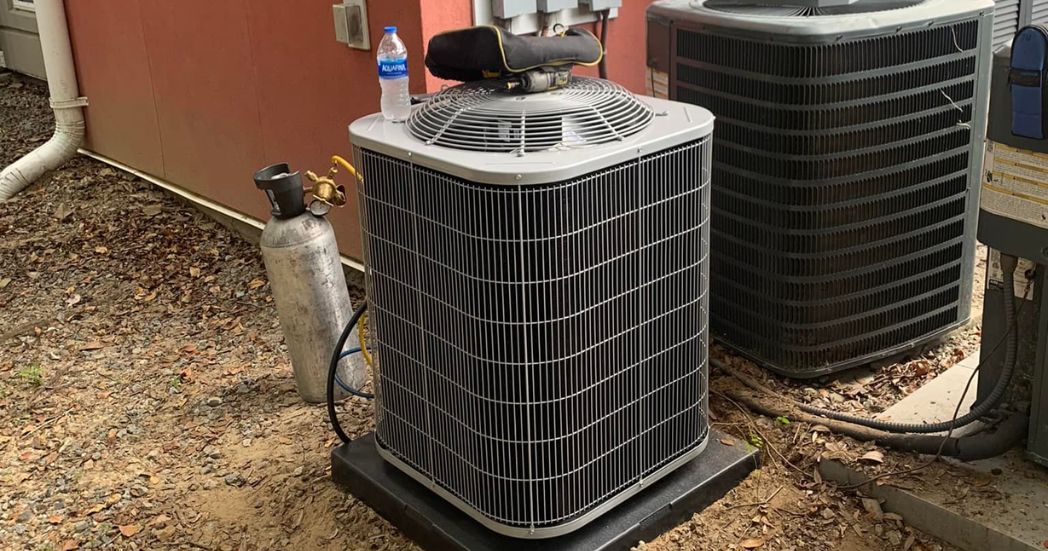
In a city like Charleston, where humidity and heat work overtime, your commercial HVAC system isn’t just about comfort but part of your business’s foundation. When your cooling or heating system begins to decline, it doesn’t always quit suddenly. More often, it gives off quiet warnings that something bigger is coming. Knowing when to replace your system before it fails can save you from costly downtime, emergency repairs, and frustrated tenants or employees.
In this blog, our Charleston HVAC technicians will explore five signs it’s time to upgrade your commercial HVAC system.
1. Rising Energy Bills That Don’t Make Sense
If your commercial building’s energy usage keeps rising even though your operations haven’t changed, your HVAC system may be the reason. Older systems lose efficiency over time due to worn components, dirty coils, and outdated technology. Even with routine maintenance, these systems can’t match the performance of newer, high-efficiency commercial units.
Pro tip: Compare your energy bills year over year. A gradual increase, especially after regular tune-ups, is one of the earliest signs that it’s time to plan for replacement.
2. Uneven Temperatures Throughout the Building
Is it cold in one conference room, but hot in another? That inconsistency usually points to airflow problems or failing equipment. When HVAC systems begin to break down, they struggle to regulate air in large commercial spaces evenly. Worn blowers, leaky ducts, or underperforming compressors can make one area comfortable while another feels unbearable.
If your maintenance team keeps adjusting thermostats with no improvement, it’s time to assess the system as a whole—not just patch individual issues.
3. Frequent Repairs or Extended Downtime
Commercial HVAC equipment is designed for longevity, but frequent component failures—such as compressors, blower motors, and control boards—indicate the unit is nearing the end of its service life. The general rule is that if repairs in a single year cost more than 50% of the price of a new heating and cooling system, replacement is usually the smarter long-term decision.
4. Outdated Technology or R-22 Refrigerant
If your system is more than 10–15 years old, it likely uses R-22 refrigerant, which has been phased out due to environmental regulations. Servicing these systems is expensive because replacement refrigerant is limited and costly.
New commercial HVAC systems not only use eco-friendly refrigerants—they also include variable-speed technology, smarter controls, and zoning capabilities that drastically improve efficiency. Upgrading could mean more comfort for less cost every month.
5. Declining Indoor Air Quality
Your HVAC system plays a critical role in maintaining healthy air throughout your facility. When filters clog faster, humidity feels off, or dust seems to settle everywhere, it’s often a sign that the system can’t keep up. Modern systems include improved air filtration and humidity control, which helps protect equipment, inventory, and employee health—especially in Charleston’s moisture-heavy climate.
Plan Ahead—Don’t Wait for a Breakdown
Replacing a commercial HVAC system is a significant investment, but waiting until it fails can make that investment even more stressful. Proactive replacement allows you to:
- Budget for the upgrade instead of paying for emergency repairs
- Avoid downtime and lost productivity
- Ensure consistent comfort for employees, guests, or tenants
- Take advantage of new technology and rebates for energy-efficient systems
Talk to the Commercial Air Conditioning Installation Experts at Carolina Comfort Specialists
At Carolina Comfort Specialists, our commercial HVAC contractors help Charleston businesses plan, install, and maintain high-efficiency commercial HVAC systems built for longevity and performance.
Whether you manage a retail space, an office building, or a restaurant, we’ll evaluate your air conditioning system, provide an honest assessment, and recommend commercial HVAC installation options that fit your budget and long-term goals. Reach out today to schedule a commercial HVAC inspection or replacement consultation.